
KPV 10MG FOR SALE
Description
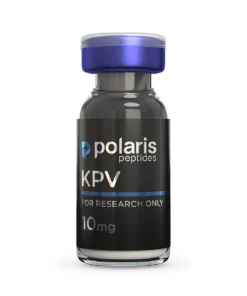
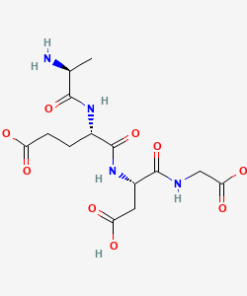
KPV 10mg is a high-purity research peptide widely studied for its role in inflammatory pathway modulation, immune signaling regulation, epithelial barrier integrity, and cellular stress response mechanisms. As a tripeptide derived from the C-terminal sequence of alpha-melanocyte-stimulating hormone (α-MSH), KPV has gained significant scientific attention for its potential involvement in controlling inflammatory cascades and supporting tissue homeostasis in experimental models.
KPV is primarily investigated in research focused on inflammation biology. Scientific studies have explored how this peptide may influence cytokine activity, particularly in pathways associated with pro-inflammatory mediators. Because inflammation is a central factor in many biological processes including tissue injury, immune response, and cellular stress, KPV is frequently included in experimental models designed to evaluate inflammatory regulation at the molecular level.
One of the key areas of interest for KPV 10mg is its role in epithelial and mucosal barrier research. The integrity of epithelial tissues, particularly in the gastrointestinal tract and skin, is essential for protecting against environmental stressors and maintaining immune balance. Researchers continue to study how KPV may support barrier function and contribute to the regulation of inflammatory responses in epithelial tissues under controlled laboratory conditions.
KPV is also widely studied in immune system signaling research. Immune responses rely on tightly regulated signaling networks to respond appropriately to injury, pathogens, and cellular stress. Scientific investigations have examined how KPV may interact with immune pathways involved in maintaining balance between activation and resolution phases of inflammation. This has made it a valuable compound in studies focused on immune modulation and homeostatic regulation.
Another important area of research involves oxidative stress and cellular protection mechanisms. Inflammation and oxidative stress are closely linked biological processes, and KPV is studied for its potential role in reducing inflammatory signaling that can contribute to cellular damage. Researchers continue to explore how peptide-based regulation may support cellular resilience in environments exposed to metabolic or environmental stressors.
KPV is also included in gastrointestinal research models, where it is studied for its potential involvement in gut barrier integrity and inflammatory bowel-related pathways in experimental settings. The gastrointestinal system is highly sensitive to inflammatory imbalance, making KPV a relevant compound in studies focused on epithelial repair, immune response regulation, and mucosal health.
In addition to immune and epithelial research, KPV is examined in broader regenerative biology contexts. Its role in inflammation resolution pathways positions it as a useful tool for understanding how the body transitions from inflammatory activation to tissue recovery phases. These mechanisms are critical for studying healing processes and cellular adaptation in complex biological systems.
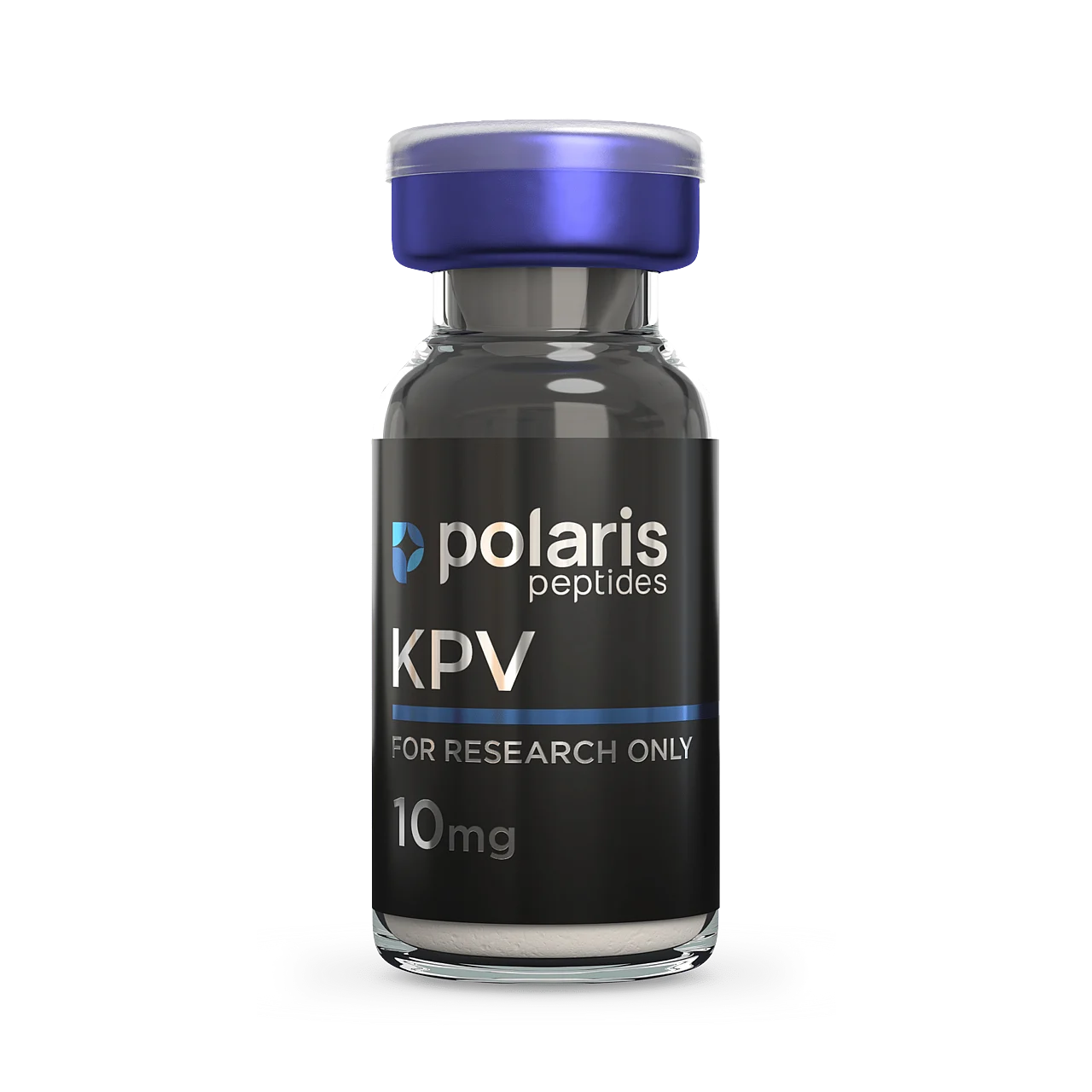
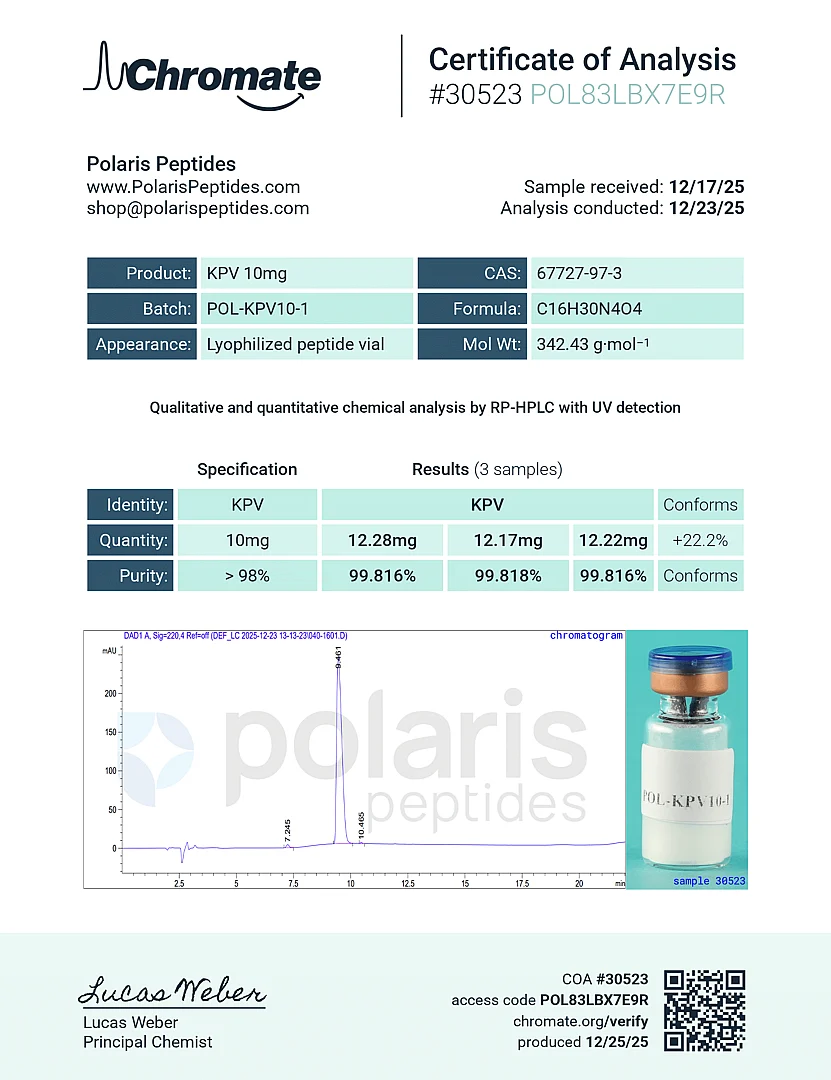
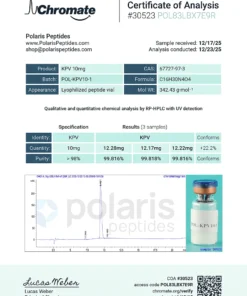
The 10mg formulation of KPV is designed for precision research applications, offering a consistent and reliable concentration suitable for laboratory use. High purity and strict manufacturing standards ensure stability, reproducibility, and accuracy across experimental conditions. Each vial contains 10mg of KPV, making it suitable for a wide range of inflammation and immune-focused research protocols.
As interest in peptide-based immune regulation continues to expand, KPV remains one of the most studied tripeptides in inflammation biology research. Its association with cytokine modulation, epithelial protection, and immune balance has made it a widely used compound in experimental biomedical science.
For researchers seeking a high-quality peptide for advanced studies in inflammation, immune signaling, and epithelial biology, KPV 10mg represents a reliable and scientifically significant option. Its strong research foundation and broad biological relevance continue to make it a leading compound in modern peptide and inflammation research.
Be the first to review “KPV 10mg”
Related products
Other Peptides
Other Peptides

Other Peptides
Other Peptides
Other Peptides

Other Peptides

Other Peptides
Other Peptides
Reviews
There are no reviews yet.