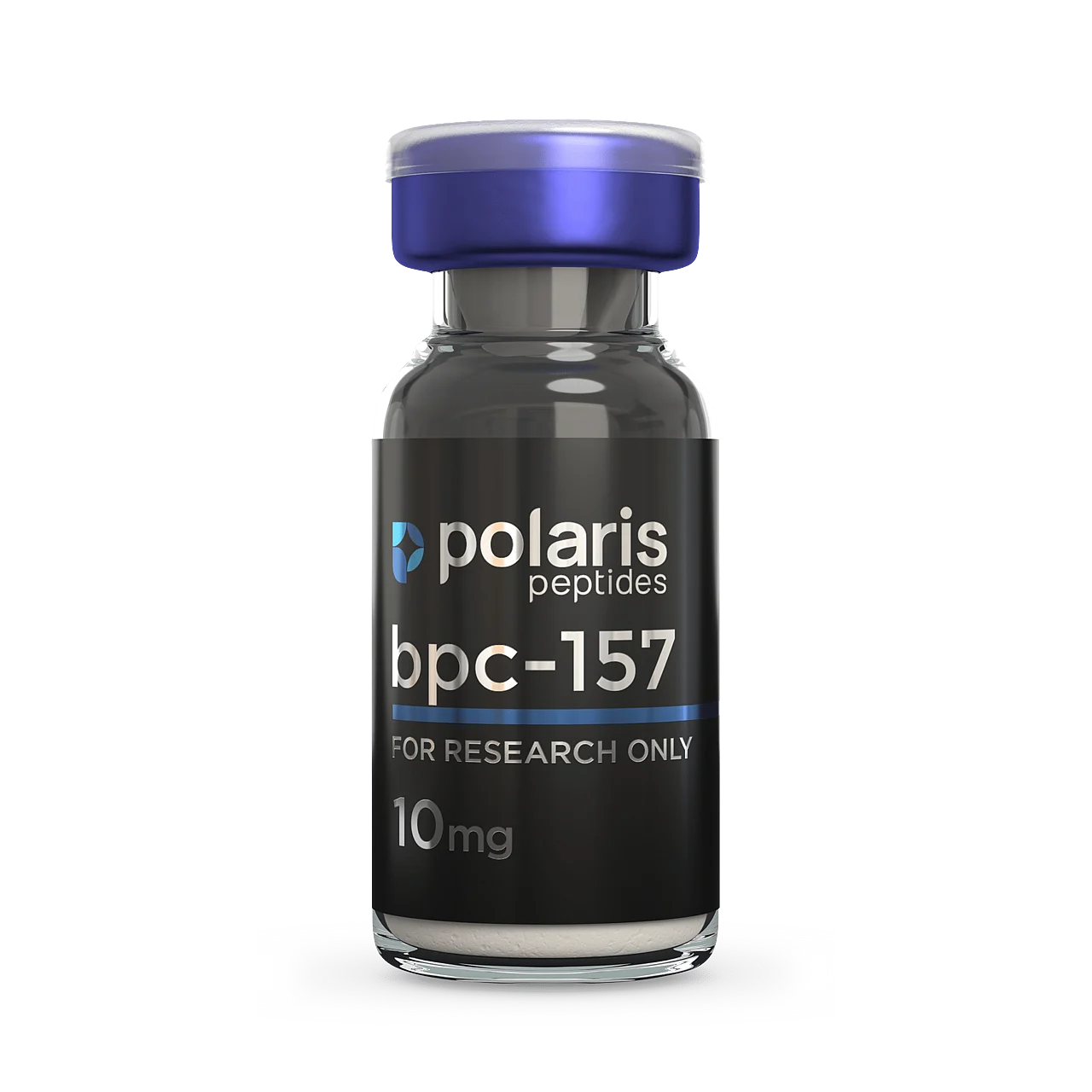

BPC-157 10MG FOR SALE
Description
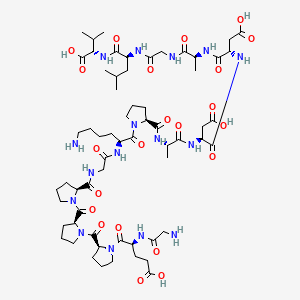
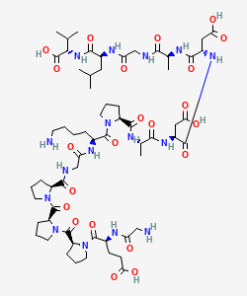
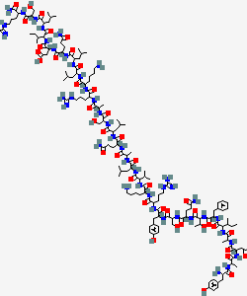
BPC-157 10mg is a high-purity research peptide widely studied for its potential role in tissue repair mechanisms, cellular regeneration pathways, and gastrointestinal system research. Derived from a partial sequence of body protection compound (BPC), this synthetic peptide has become one of the most extensively discussed molecules in modern regenerative science due to its broad range of investigational applications and strong preclinical research interest.
BPC-157 is primarily known for its association with cellular repair and healing-related studies. Researchers have explored its potential influence on angiogenesis, the biological process responsible for the formation of new blood vessels. This process is essential for tissue recovery, nutrient delivery, and cellular regeneration. Because of this, BPC-157 10mg is frequently included in laboratory investigations focused on wound healing models, soft tissue repair, and musculoskeletal regeneration pathways.
Another key area of research involves its potential effects on tendon, ligament, and muscle tissue studies. Connective tissues are subject to constant mechanical stress, making them a central focus in regenerative medicine research. BPC-157 has been studied in preclinical settings for its possible role in supporting fibroblast activity, collagen formation pathways, and structural tissue integrity. These characteristics have contributed to its strong reputation in peptide-based recovery research.
BPC-157 is also widely investigated for its relevance to gastrointestinal health models. Scientific studies have examined its potential interactions with the gastric lining, intestinal tissue repair processes, and inflammatory response regulation within the digestive system. This has positioned BPC-157 as a valuable compound in research exploring gut barrier integrity, ulceration models, and overall digestive system resilience under stress conditions.
In addition to tissue and gastrointestinal research, BPC-157 is often studied in relation to inflammatory signaling pathways. Inflammation plays a critical role in both acute injury response and long-term tissue remodeling. Researchers continue to investigate how peptide-based compounds may influence cytokine activity, cellular communication, and localized inflammatory responses in controlled experimental environments. These studies contribute to a broader understanding of how regenerative processes are regulated at the molecular level.
Another important area of interest is BPC-157’s potential role in neurobiological and systemic signaling research. While primarily known for peripheral tissue studies, ongoing investigations have explored how peptide signaling may influence broader physiological networks, including neural communication pathways and systemic repair responses. These exploratory studies continue to expand the scientific understanding of peptide interactions within complex biological systems.
The 10mg formulation of BPC-157 is designed for precision and flexibility in research applications. High purity and strict manufacturing standards ensure consistency, stability, and reproducibility across laboratory studies. Each vial contains 10mg of BPC-157, making it suitable for a wide range of experimental protocols focused on regenerative science and cellular biology.
As interest in peptide-based recovery research continues to grow, BPC-157 remains one of the most widely recognized compounds in the field. Its extensive preclinical study profile, broad biological relevance, and versatility in experimental models have made it a cornerstone peptide in regenerative and tissue repair research.
For researchers seeking a high-quality peptide for advanced studies in tissue regeneration, inflammation pathways, and cellular repair mechanisms, BPC-157 10mg represents a reliable and scientifically significant option. Its strong research foundation, broad applicability, and ongoing scientific interest continue to make it one of the most in-demand peptides in modern regenerative science and experimental biology.
Be the first to review “BPC-157 10mg”
Related products

Other Peptides
Other Peptides

Other Peptides

Other Peptides
Other Peptides
Other Peptides

Other Peptides
Other Peptides
Reviews
There are no reviews yet.